

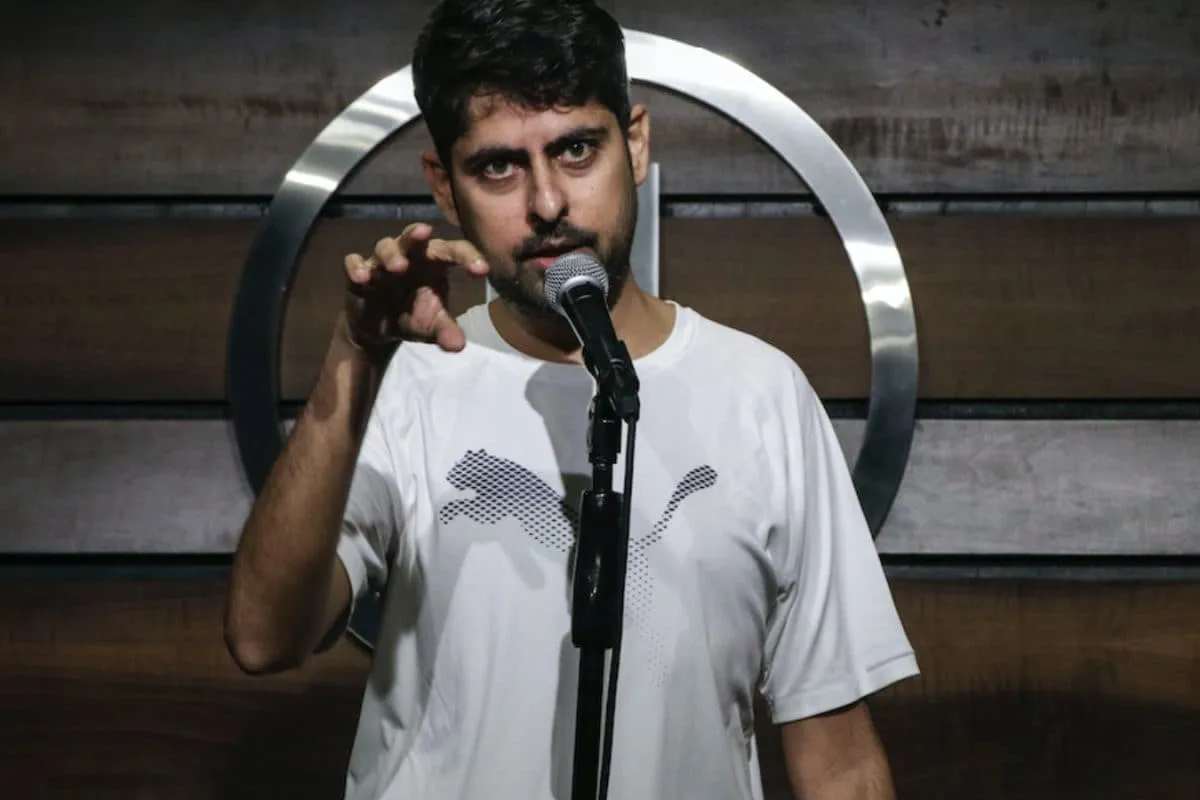
Humorist and filmmaker Varun Grover has strongly criticized Mumbai’s infrastructure and governance following a tragic metro bridge slab collapse in Mulund that claimed one life and injured a number of others. His remarks got here after a portion of an under-construction metro bridge fell on automobiles passing beneath, sparking widespread outrage amongst residents and celebrities alike.
Varun Grover Slams Mumbai Governance
The incident has as soon as once more raised severe issues about infrastructure security and building requirements in India’s monetary capital. The accident occurred round 12:15 pm close to pier quantity P196 on the under-construction metro line near the Mulund Fireplace Station on LBS Street in Mumbai. Based on officers, a portion of the parapet slab fell from a top and struck an auto-rickshaw and a automotive passing beneath.
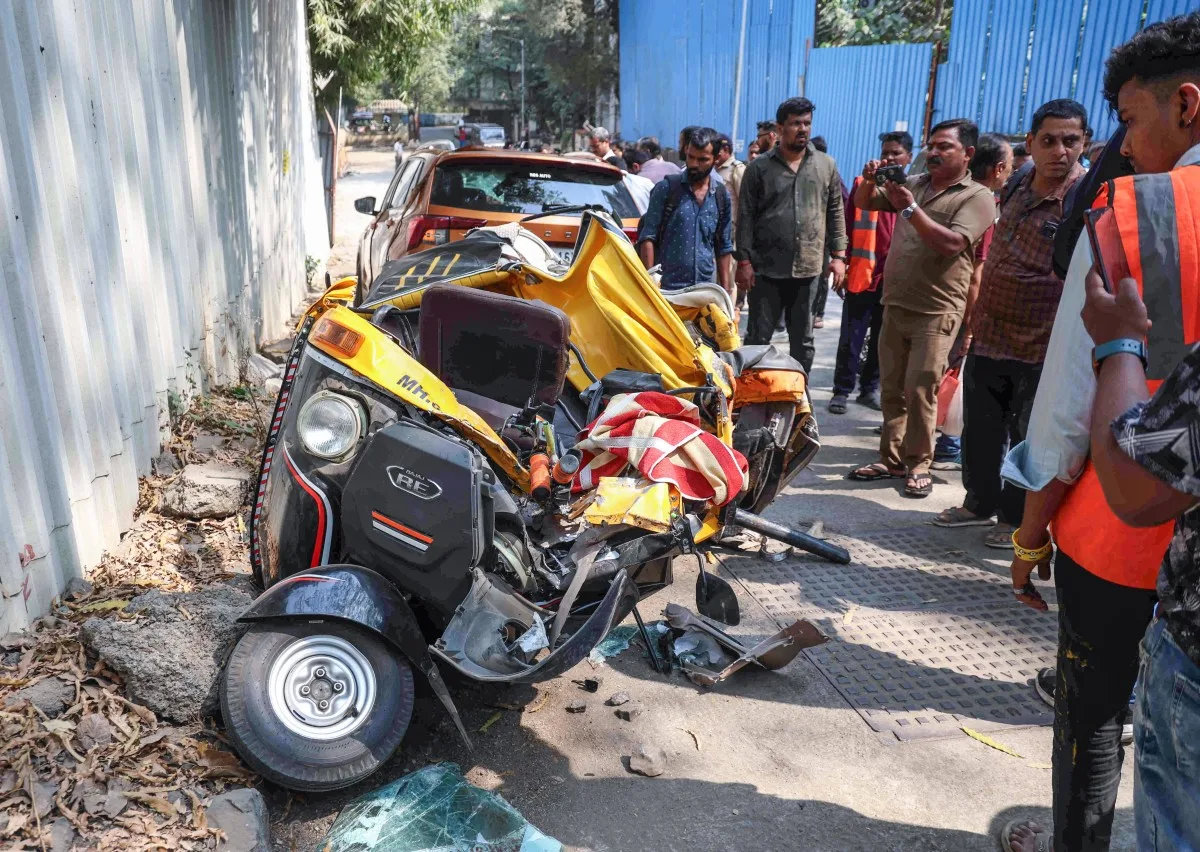
Metro Bridge Collapsed
The sufferer was recognized as Ramdhan Yadav, who misplaced his life within the tragic accident. Among the many injured, Rajkumar Indrajit Yadav (45) was admitted to the ICU and stays in important situation. Two others, Mahendra Pratap Yadav (52) and Deepa Ruhiya (40), are reported to be in secure situation. Authorities have launched an investigation to find out the reason for the collapse.
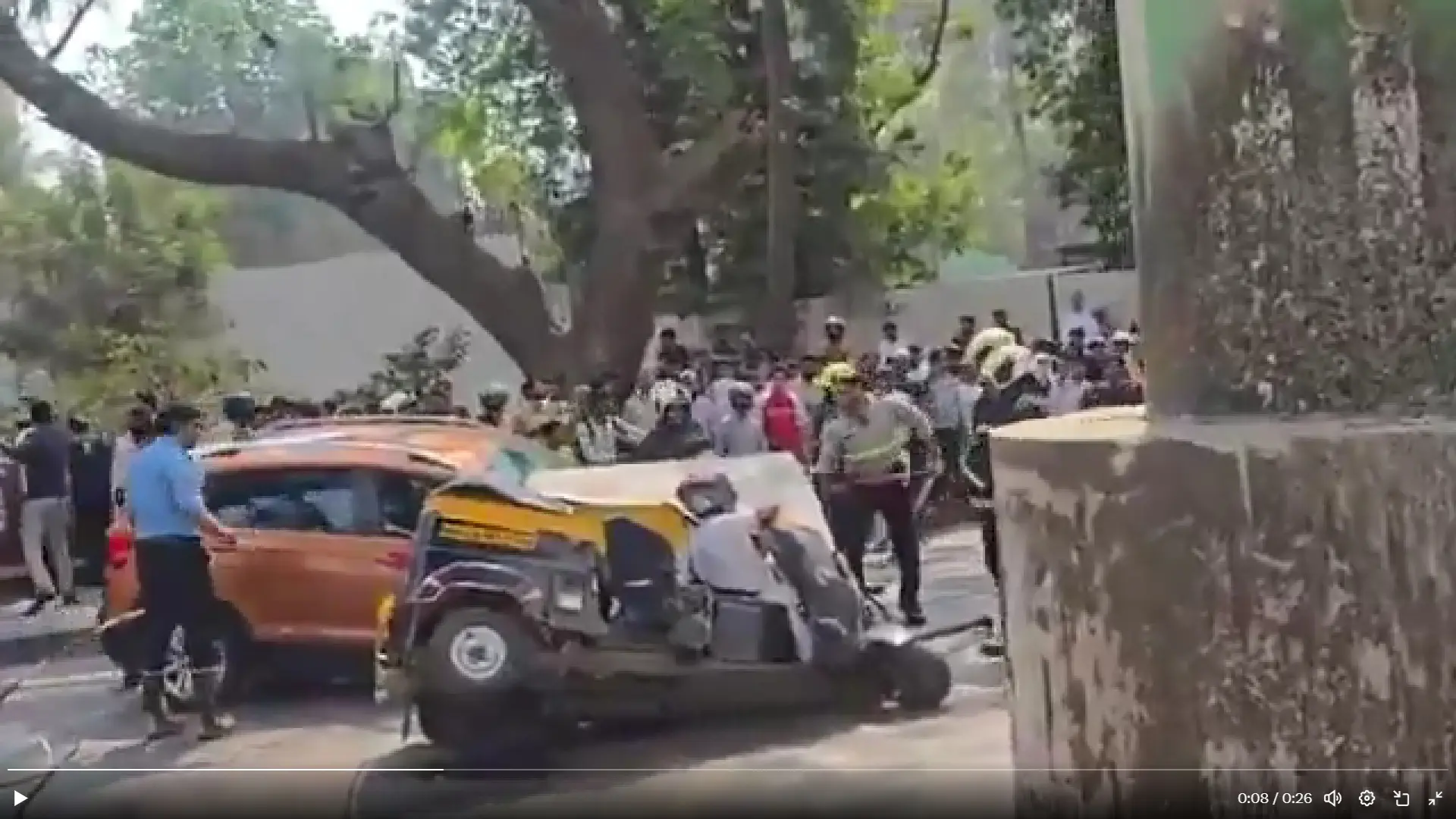
Metro Bridge Collapsed
Varun Grover took to social media platform X to specific his anger and frustration over the incident. In a strongly worded submit, he wrote, “Mumbai is essentially the most corrupt metropolis in India, maybe by a large margin.” He additional criticized the town’s infrastructure, saying, “India’s business capital has the worst roads. I’ve seen village roads in nearly each Indian state within the final two years, they usually’re higher than this. That is poor city planning.” His remarks shortly went viral and sparked debates on-line about corruption, city planning, and public security in Mumbai.
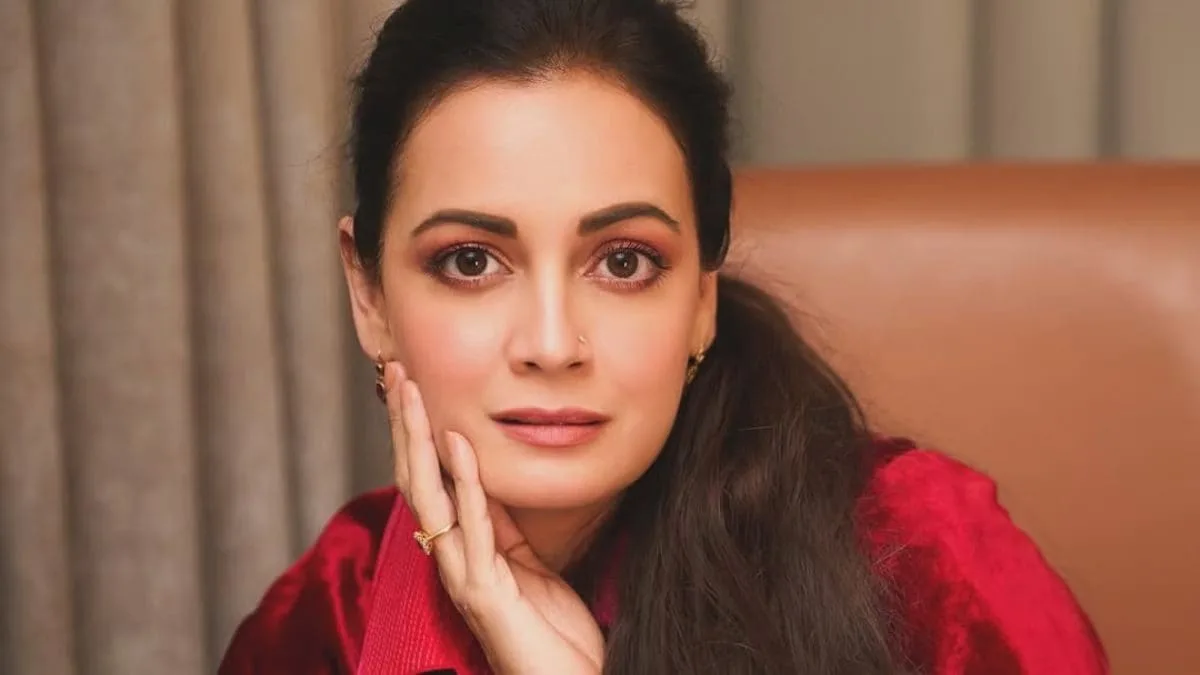
Dia Mirza
Bollywood actress Dia Mirza additionally reacted strongly to the incident, elevating questions concerning the priorities of infrastructure improvement. She wrote on social media, “Which thought of infrastructure do you assist? Infrastructure that kills, suffocates, and destroys well being and life? Or infrastructure that cares for and values life?” Her feedback obtained blended reactions on-line, with many supporting her issues about security whereas others debated the challenges of fast city improvement.